Year end summary
 The labs this year had a larger load than in the past, partially due to more organization requiring certification, such as MDIS, O-PAS, FLC as well as an uptick in end users markets requiring certification such as the Automotive and Oil & Gas industries. We have also certified new product types such as machines and motion devices. The increase spans all regions and product categories across diverse target industries. We are particularly excited about the growth in the Chinese market, where more vendors are bringing their products to the Chinese Certification Test Lab. This trend is driving the availability of high-quality, certified solutions, strengthening the ecosystem and delivering greater value to end users.
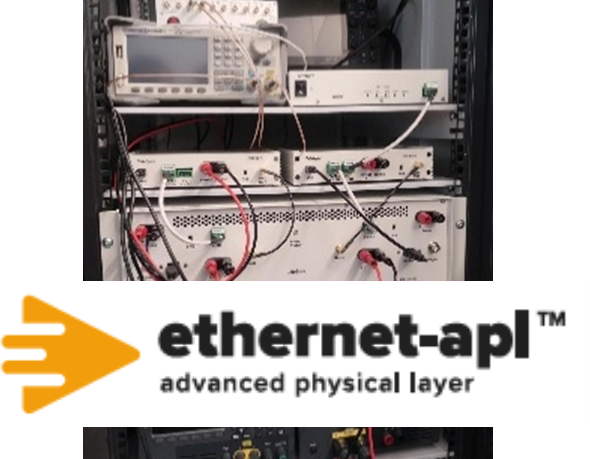 The European Certification Test Lab has been audited this year and extended their testing scope to include Ethernet-APL (Advanced Physical Layer) certification. This certification can be performed for devices with or without OPC UA interfaces.
We have released updates to test cases as well as to the CTT. Some key additions include better test coverage (such as PubSub profiles), enhancement for GDS functionality, Alarm & Condition testing enhancements, OPC UA FX additions as well as additional support for companion specification testing.
 We have defined testing for all UDP related PubSub profiles and are working on automating their testing. This work will continue into the new year as we define additional testing for broker-based communication.
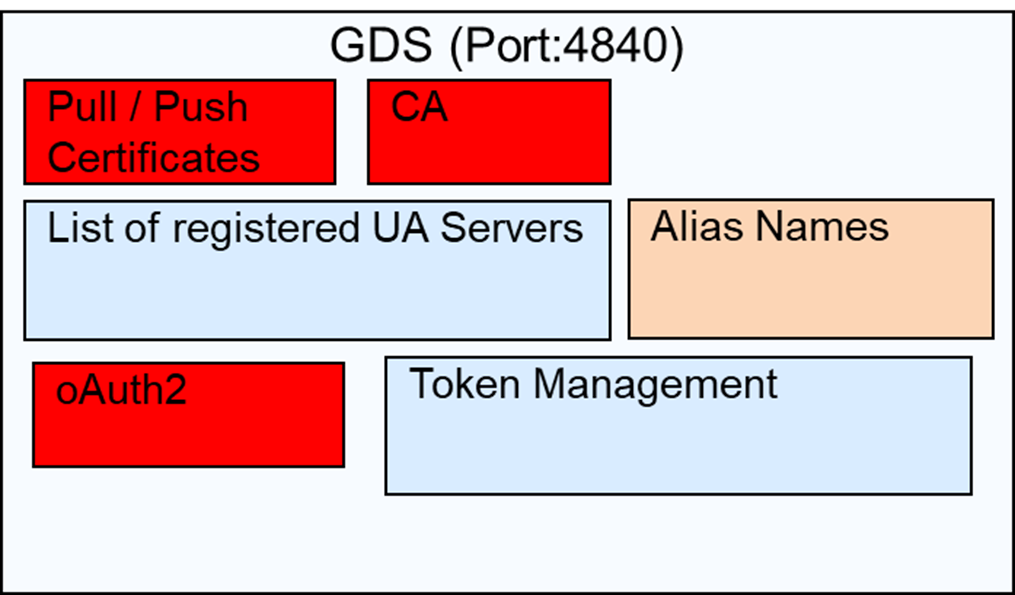 The CTT can now be used to test the GDS including the push and pull capabilities that it exposes. The CTT can also test Server or Client that utilize a GDS. This includes functionality such as Discovery, Certificate Management, AliasNames and more. With the growing availability of GDS solutions on the market and new ones emerging, certifying the GDS ensures reliability and trust. A well-certified GDS contributes to seamless plant and system operations, providing support for the entire infrastructure, not just individual Servers or Clients.
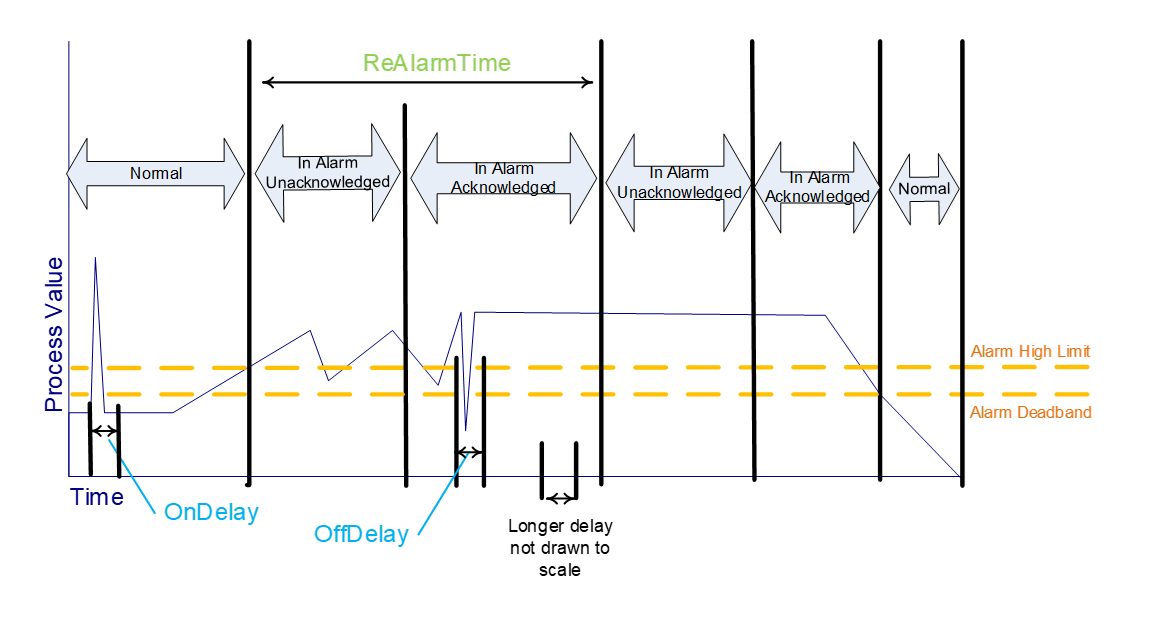 Support for Alarm and Condition testing has been enhanced to perform better and to cover the remaining alarm type specific testing. An initial set of this work will be released with the next version of the CTT.
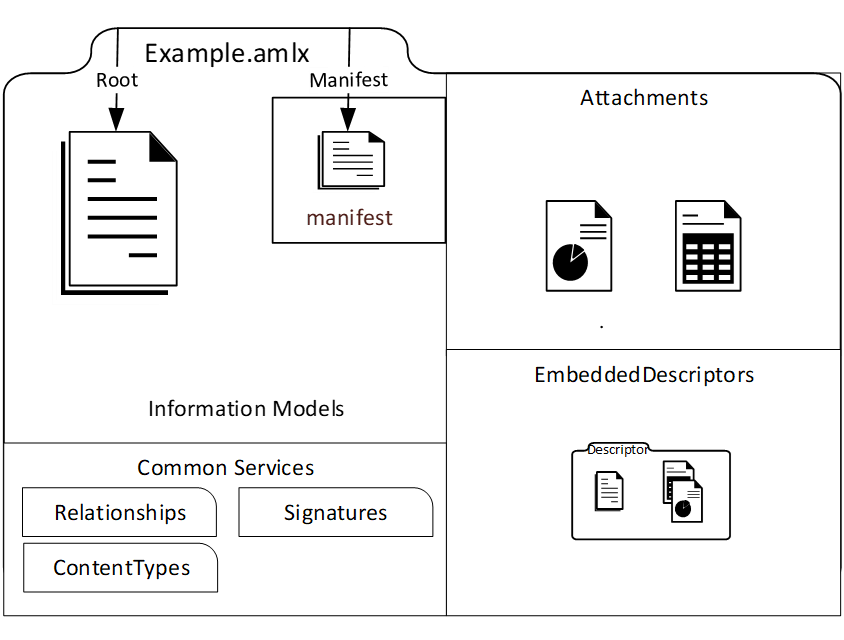 We have release and will continue to release additional enhancements and extensions to automate the OPC UA FX testing. We have already release automated testing for the AutomationComponent (all mandatory and many optional Conformance Units), some initial testing for a ConnectionManager (to validate concepts for automated client testing) and enhancements to the CTT to support testing of AML files as well as some initial test case to just validate the structure of an AML file. We will be extending the AML testing to also validate the content of the file not just the structure. OPC UA FX certification is mandatory, and extensive efforts are underway to attempt to automate as much of the testing as possible.
 We have also been working on test case definition for just released features. For example, the new LogObject specification already has test cases available which can be used by the vendors to verify their implementations. This work also helps the UA working group in verification of the standard, it often discovers wording issues and other needed clarifications, especially for error cases.
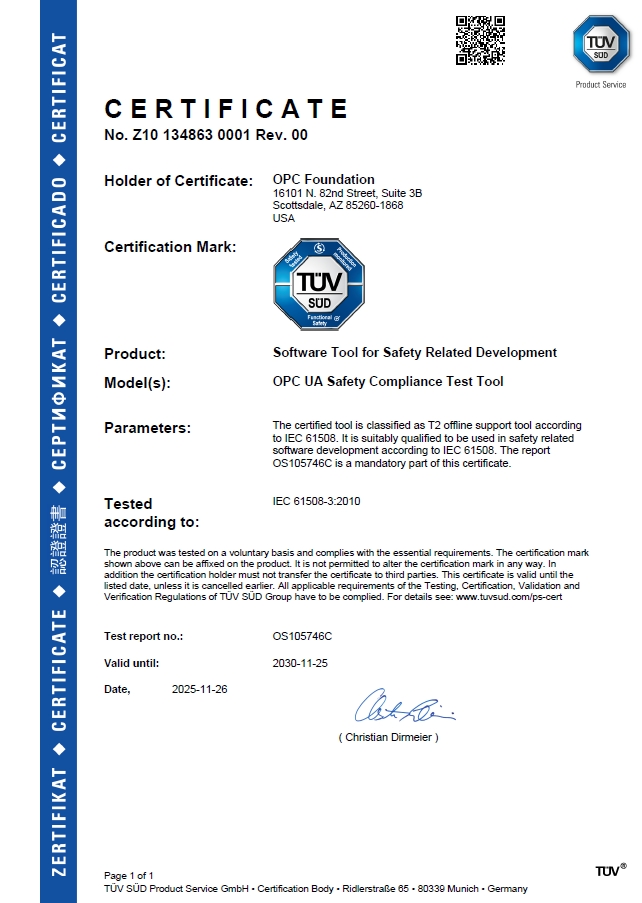 We have been working with the Safety working group on the release of a Safety Compliance Test Tool (UASCTT). In safety it is required to have a safety assessment for any test tool. We have now received from TÜV a passed safety assessment for the UASCTT. We will be working on selecting a safety qualified lab for OPC UA Safety certification in 2026.
OPC Foundation has held three successful IOP Workshops this year. They include a new IOP Application for tracking results and helping with testing. The IOPs this year have included additional functionality, such as OPC UA FX. Interoperability testing is an important aspect for getting products ready for certification and the market, these events are key to ensuring your products work well with the open ecosystem OPC UA provides. We will have three IOP Workshops again in 2026 – keep a watch on the OPC Foundation web site for announcements. These IOP Workshops will be further extended to include other companion specifications or new OPC functionality.
What you can look forward to in 2026
With the latest advancements in OPC UA 1.05 security, particularly the introduction of ECC SecurityPolicies, we are excited to have an initial version of the Compliance Test Tool (CTT) that supports testing for 1.05.
Due to the extensive updates in Profiles, Facets, and Conformance Units introduced in 1.05, this version is being offered as an extended Beta to ensure the highest quality. The public release will follow after this Beta phase, allowing sufficient time for SDK vendors to validate the new test coverage.
This release also reflects significant improvements in granularity: many test cases have been reorganized because Conformance Units are now finer-grained (for example, a single 1.04 Conformance Unit may now be represented by several in 1.05). These changes will enable more precise and comprehensive testing, ultimately strengthening interoperability and security across the OPC UA ecosystem.
We have in every release added companion specification testing where the joint working groups have defined detailed functionality related testing as well as general information model testing for their companion specification. In early 2026 we will release a thin version of the CTT that will be able to validate any companion specification NodeSet against a server. This is not the same level of testing, but it does provide a quick verification of very simple information model adoption. Maybe a better way to state this is that an end user or vendor can run the thin CTT against a server and it will check all of the loaded NodeSets verifying that the publicly available NodeSet matches what is exposed in the Server. It will also check that the required modeling rules are followed, for instance that have been created against the type define in the NodeSet. This does not replace certification and running the full CTT against a product, which will test functionality, not just basic modelling rules.
 We will continue our work with TIACC on establishing a common set of certification tests for time sensitive networking environments. They have released some initial drafts of test case this year, we are looking forward to having some level of TSN testing available in 2026.
If you do have questions on these topics or are interested in getting involved in our activities, please do not hesitate to contact us at compliance@opcfoundation.org
Paul & Alexander